Keeping Work Moving Without Unexpected Downtime
Heavy-duty vehicles are built to handle demanding workloads, long distances, and constant use, but even the most reliable diesel engines depend on consistent maintenance to stay that way. In fleet operations, where every vehicle plays a role in keeping schedules on track, even a single breakdown can disrupt more than just one job. It can affect timelines, deliveries, and overall efficiency in ways that add up quickly. Businesses and drivers rely on Diesel Maintenance Palmer AK to keep heavy-duty engines operating efficiently.
Diesel engines operate under higher pressure and heavier loads than standard vehicles, which makes regular care even more important. Over time, components experience wear that may not show immediate signs but gradually impacts performance. A slight drop in power, increased fuel consumption, or harder starts in colder conditions can all point to underlying issues developing beneath the surface. Catching these early allows for adjustments before they turn into costly repairs.
Routine service tends to focus on keeping the engine clean and properly lubricated. Diesel fuel systems are particularly sensitive to contamination, and even small particles can affect how efficiently fuel is delivered and burned. Filters play a crucial role in maintaining this balance, and when they are not replaced at the right intervals, the engine begins to compensate in ways that reduce performance. Keeping everything flowing smoothly helps maintain both power and reliability.
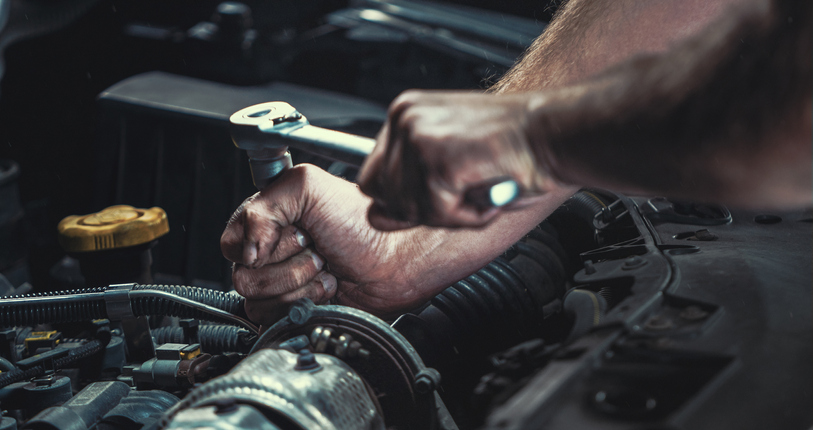
Beyond the engine itself, heavy-duty vehicles rely on a network of supporting systems that handle constant strain. Cooling systems must regulate higher operating temperatures, while exhaust components manage emissions under demanding conditions. When one part of the system begins to lag, it often places extra pressure on others. This is why maintenance is rarely about a single component, but about ensuring the entire vehicle works together as intended.
Fleet maintenance also introduces the challenge of consistency. With multiple vehicles operating under different conditions, it becomes important to maintain a standard that keeps all units performing at a similar level. Regular inspections and scheduled servicing help reduce unexpected issues, making it easier to plan around maintenance rather than react to breakdowns. This approach not only improves reliability but also extends the overall lifespan of each vehicle.
When diesel maintenance is handled with care, heavy-duty vehicles continue to deliver the performance they were designed for. Operations run smoother, downtime becomes less frequent, and there is a stronger sense of control over how work progresses. In environments where every mile and every hour matters, that level of reliability makes a noticeable difference.