Essential Care Tips For Long-Term Toyota Owners
If you’re one of those drivers who plans to hold onto your Toyota for many years, understanding the ins and outs of Toyota maintenance is crucial for ensuring your vehicle remains reliable and efficient. You might be thinking that regular oil changes and tire rotations are enough, but there’s so much more to consider if you want to keep your car running like new. Start by developing a solid maintenance schedule that adheres to the recommendations laid out in your owner’s manual. This guide is packed with information tailored specifically for your model, including crucial intervals for everything from fluid changes to filter replacements. Ignoring these recommendations can lead to bigger issues down the line, which is something you definitely want to avoid.
Another critical aspect of Toyota maintenance is paying attention to the warning lights on your dashboard. They’re there for a reason, and ignoring them can lead to costly repairs. For example, if the check engine light comes on, it’s not just a nuisance; it’s a signal that something needs your attention. Don’t wait until it’s too late to address these issues. Instead, consider investing in a diagnostic tool that can help you understand what’s going on under the hood. This proactive approach not only saves you money but also extends the lifespan of your vehicle significantly.
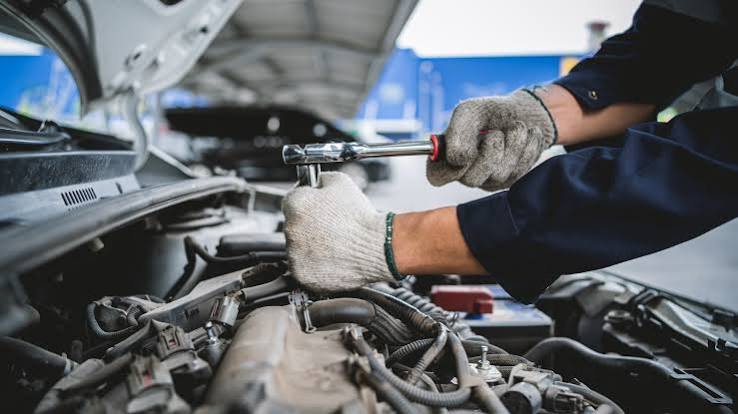
Moreover, keep a close eye on your tires. Regularly check the tire pressure and tread depth, as worn tires can affect your vehicle’s performance and safety. If you’re unsure about how to do this, there are plenty of online tutorials that can guide you through the process. Rotate your tires as recommended by Toyota maintenance guidelines to ensure even wear. A well-maintained set of tires not only improves fuel economy but also enhances handling and braking capabilities, which is especially important if you plan on keeping your Toyota for the long haul.
Don’t forget about the importance of using quality parts. When the time comes for replacements, consider investing in OEM (Original Equipment Manufacturer) parts rather than generic alternatives. While they may be more expensive upfront, OEM parts are designed specifically for your vehicle and can save you money in the long run by reducing the risk of future repairs.
Finally, don’t underestimate the value of a trusted mechanic. Building a relationship with someone who specializes in Toyota maintenance can provide you with personalized advice and peace of mind. They will know your vehicle’s history and can offer insights that you might not get from a general service shop. Remember, the more effort you put into maintaining your Toyota now, the more rewarding your investment will be down the road. With a little diligence and the right approach, you can enjoy many years of dependable driving.