What Every Honda Accord Owner Should Understand About Long-Term Reliability
The Honda Accord has long been known for its comfort, fuel efficiency, and dependable reputation, making it a popular choice for daily driving and long-term ownership. While the Accord is widely respected for reliability, even well-engineered vehicles develop patterns of wear and common concerns over time. Understanding these issues helps owners make informed decisions, respond early to warning signs, and protect the long-term performance of their vehicle. Learning about common Honda Accord problems helps owners anticipate maintenance needs and potential repairs.
Many Honda Accord concerns emerge gradually rather than all at once, which is why they are often overlooked. Changes in how the car shifts, idles, or responds during acceleration can signal developing mechanical or electronic issues. When these signs are addressed early, repairs tend to be simpler and less disruptive. Ignoring them, however, can lead to compounding problems that affect drivability and overall vehicle confidence.
Transmission behavior is one area that often draws attention among Accord owners, particularly in higher-mileage vehicles or models driven frequently in city traffic. Subtle hesitation, rough shifting, or delayed engagement may feel minor at first, but these symptoms can point to wear or fluid-related concerns. Professional evaluation ensures that corrective action is taken before long-term damage occurs, helping preserve smooth performance and driving comfort.
Engine-related issues can also appear as the vehicle ages, especially when routine maintenance intervals are stretched. Oil consumption changes, sensor irregularities, or inconsistent engine response may develop slowly. These problems are best handled through accurate diagnostics rather than assumptions, allowing technicians to resolve the underlying cause instead of applying temporary fixes that fail to address the real issue.
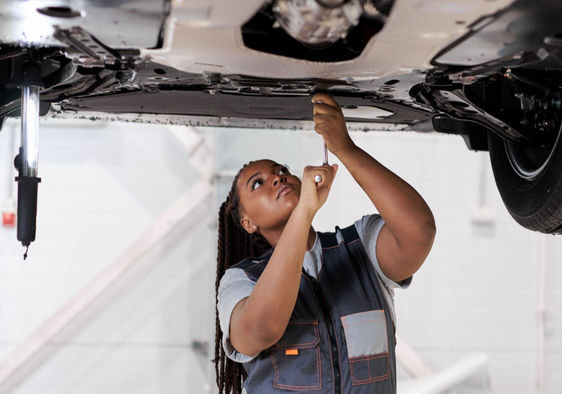
Electrical systems are another area where modern Accords can show age-related concerns. Warning lights, infotainment glitches, or intermittent system behavior often stem from sensors, wiring, or software-related components rather than major mechanical failures. When diagnosed correctly, these issues are typically manageable, but they require experience with Honda-specific systems to ensure repairs are precise and lasting.
Suspension and steering components also experience wear, particularly in vehicles driven on uneven roads or over long distances. Noises, vibration, or changes in handling can gradually reduce ride quality if left unaddressed. Restoring these systems helps maintain the Accord’s balanced feel and reinforces the driving confidence owners expect.
Knowing common Honda Accord problems does not diminish the vehicle’s reputation. Instead, it empowers owners to care for their cars more effectively. With timely attention and professional service, the Accord continues to deliver the dependable performance and comfort that have made it a trusted name for decades.